

Foundation Excavation Process: What Quality Contractors Do Differently
Most homeowners never think much about what happens below ground, until something goes wrong. Foundation failure is one of the most expensive repair problems a homeowner can face, with costs averaging around $5,000 for minor repairs and climbing to $20,000 or more when structural damage becomes severe. In the worst cases, a full foundation replacement can reach $100,000.
What makes foundation problems even harder to accept is where they usually start: not with the walls, not with the structure above grade, but with how the excavation was handled before a single wall ever went up.
Foundation excavation demands precision, site knowledge, and a contractor who understands what is at stake. The difference between a crew that cuts corners and one that gets it right is not always visible at first. But it shows up eventually, sometimes years later, in cracked walls, water in basements, and footings that have shifted.
Delaware adds another layer of complexity. Soil composition varies significantly across the state, from the sandy, well-draining soils common in Sussex County to the heavier, clay-laden ground found in parts of New Castle County. What works on one site can be entirely wrong on another. This article breaks down exactly what the foundation excavation process should look like, and what separates contractors who get it right from those who do not.
What Does Foundation Excavation Actually Involve?
Before getting into what separates good contractors from bad ones, it helps to understand what foundation excavation actually is and why it is more involved than it looks from the road.
At its core, foundation excavation is the process of removing soil to a specified depth and dimension to create room for a building's foundation. But depending on the project, that can mean very different things. A full basement dig typically reaches eight to ten feet below grade. A crawl space excavation is shallower, usually two to four feet. A slab-on-grade foundation requires ground clearing, leveling, and preparation without deep excavation.
Each approach requires different equipment, different techniques, and different planning. The scope of the work is not just digging. It includes clearing the site, grading the bottom of the excavation to the correct elevation, managing spoil (the soil that comes out), and shaping the excavation walls to keep them stable.

What Permits Are Required in Delaware?
Excavation work in Delaware that disturbs more than 5,000 square feet typically requires a land use permit and a sediment and stormwater control plan filed with the appropriate county authority. Quality contractors handle permitting proactively, before work begins, not as an afterthought when a site inspector shows up.
What homeowners often do not realize is that the excavation sets the stage for everything that follows. The depth must be right. The dimensions must match the engineered foundation plans. The bottom must be level and stable. If any of these elements are off, it creates problems downstream, sometimes during construction, and sometimes years later.
Foundation excavation, done correctly, demands a contractor who treats it as skilled work rather than just heavy equipment operation. That distinction matters more than most homeowners know before a project begins.
Why the Work Before the First Dig Is the Most Important Work
The most important work a quality excavation contractor does often happens before any equipment touches the ground. A proper site assessment is not optional. It is where an experienced contractor figures out what they are actually dealing with.
That means walking the property, reviewing engineered plans, and evaluating site-specific factors that will affect how the job is done. Soil type matters enormously. Sandy soils drain well but can be unstable at depth. Clay-heavy soils hold water and can put significant lateral pressure on foundation walls. A contractor who does not account for soil conditions before pricing a job is either guessing or planning to figure it out as they go.
What Soil Conditions Are Found Across Delaware?
Delaware's soil conditions vary more than most homeowners expect. The sandy, coastal soils common in Sussex County behave very differently from the denser, clay-mixed soils found in New Castle County. An experienced contractor adjusts their approach based on what is actually underfoot, not what a generic estimate assumes.
Water table depth is another factor that has to be understood before breaking ground. In low-lying areas of Sussex County near the coast, the water table can be surprisingly close to the surface. An experienced contractor asks about drainage history and factors it into their approach before the first bucket of soil is moved.
Over-digging is a real and avoidable problem, but a minor low spot can often be corrected properly without becoming a major issue. The key is that the contractor understands subgrade conditions: suitable on-site material, placed and compacted in proper lifts, can bring an elevation back up. The concern is not over-digging by itself, but whether the contractor knows the difference between soil that can go back in and soil that needs to come out.
The contractors who skip the planning phase are easy to identify. They show up, dig, and deal with problems as they surface. The ones who do it right show up having already thought through the variables, and the job runs smoother because of it.
Call Before You Dig: Delaware's 811 Requirement
Before any excavation work begins in Delaware, contractors are required by law to contact Delmarva 811 (the state's call-before-you-dig notification center) at least two full working days before breaking ground. Delmarva 811 coordinates with utility companies to send locators to the site, who mark the approximate locations of underground lines: gas, electric, water, communications, and more.
Striking an underground utility line is not just a project delay. It can be genuinely dangerous. A nicked gas line or a severed electrical conduit can result in injuries, fatalities, service outages, and significant legal liability. No legitimate excavation contractor should ever skip this step. If one suggests doing so to save time or get started sooner, that is a reason to walk away immediately.
Who Is Responsible for Calling 811?
The 811 call is free, but filing the ticket is the contractor's legal responsibility before any excavation begins. A homeowner can call 811 as well, and that is never a bad idea, but it does not substitute for the contractor pulling their own ticket number. What it does mean is that both parties can stay informed: contractors should share their ticket information with the homeowner so everyone knows the locate request is on file and when the site is clear to dig.
What About Private Utility Lines?
What 811 does not cover is private utility lines, and that distinction matters. Irrigation systems, propane lines to outbuildings, private sewer or septic laterals, electric service to a detached garage, and invisible dog fencing are all the homeowner's responsibility to disclose before work begins.
Locating those lines may require a private utility locating company, which can be a direct added cost depending on how the project is scoped. That conversation needs to happen upfront, not after equipment is already on site.

It is not glamorous and it does not show up in a before-and-after photo. But it is one of the clearest indicators of a contractor who takes the work seriously.
What Does a Quality Excavation Job Look Like from Start to Finish?
Homeowners do not need to know the technical specifications of every piece of excavation equipment. But knowing what a well-run job looks like, from the day equipment arrives to the day the site is handed back, is genuinely valuable. It helps set expectations and makes it easier to spot when something is not going right.
Equipment Should Match the Job
A full basement excavation on a standard residential lot requires a mid-sized excavator with enough reach and capacity to move soil efficiently, but not so large that it damages neighboring structures or cannot maneuver on site. An experienced contractor matches machine to conditions. On tight lots, that sometimes means working in stages or using compact equipment. Either way, it should be a deliberate choice.
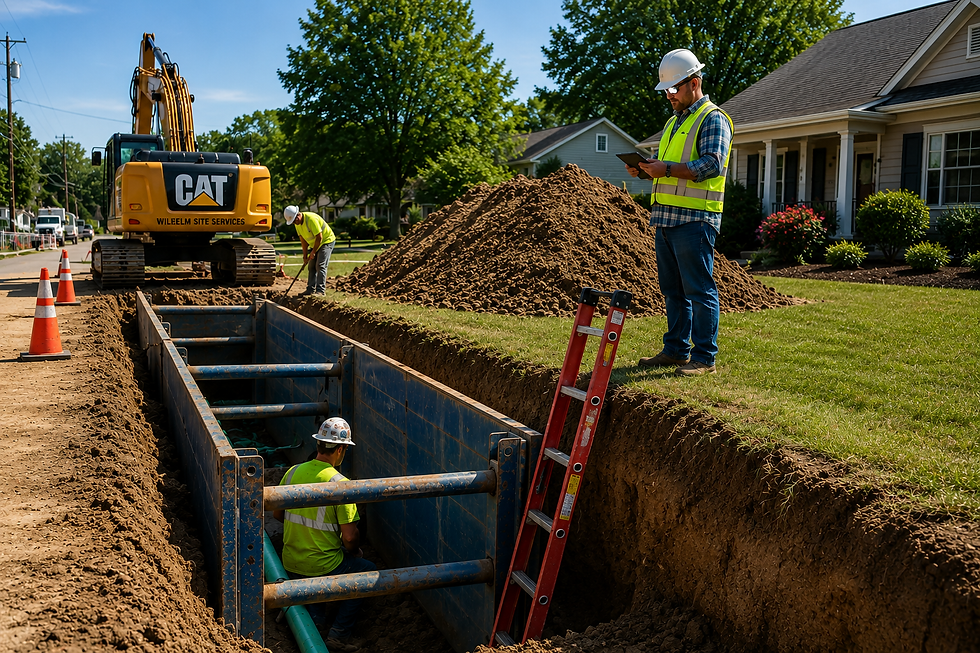
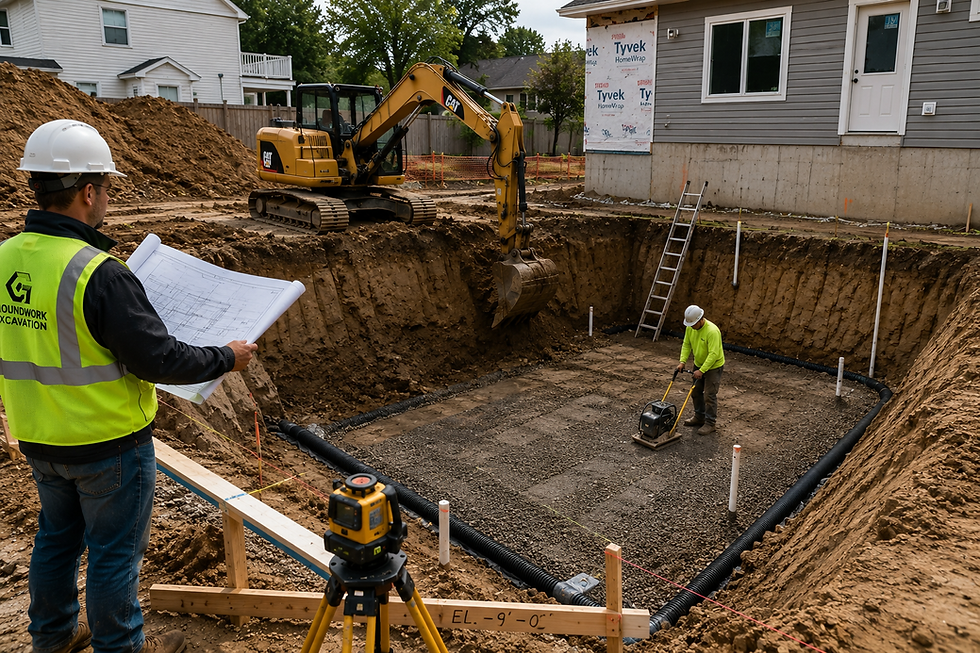
The dig itself should follow the engineered plans. An operator worth hiring checks depth and dimension as they go, using grade stakes or a laser level to confirm they are hitting the right elevations. Excavation walls should be sloped or shored according to OSHA standards, not because an inspector might show up, but because an unstable excavation wall is a serious safety hazard.
Backfill: Just As Important As the Dig
Once the foundation is in and backfilling begins, the quality of that work matters as much as the excavation itself. Proper backfill means using appropriate fill material and placing it in controlled lifts, typically no more than 12 inches at a time, with compaction between each lift. Poorly compacted backfill settles over time, which puts uneven pressure on foundation walls and creates voids that affect structural integrity.
A well-run job also leaves the site in reasonable condition. Spoil is managed, not scattered. Truck access routes are cleaned up. Landscaping and hardscape that was not supposed to be disturbed is intact. These things reflect whether a contractor actually respects the property they are working on.
How Water Can Make or Break a Foundation Project
Water is the variable that trips up more excavation jobs than almost anything else. It shows up in two ways: surface water from rain and runoff, and groundwater that seeps into the excavation from below or from the sides. Both are manageable. But only if the contractor is prepared for them.
Delaware's Rainfall and What It Means for Open Excavations
Delaware averages approximately 45.9 inches of rainfall per year, distributed fairly evenly across all four seasons. That means excavation projects need to account for weather consistently, not just when a major storm is in the forecast. An open excavation after a heavy rain can accumulate water quickly, destabilizing the walls and making the bottom of the hole unusable until it is pumped out and allowed to dry.
Groundwater is a bigger challenge. When an excavation goes below the water table, which can happen at depths as shallow as four or five feet in parts of Delaware, water begins seeping in continuously. Managing this requires dewatering: sump pumps positioned at the low point of the excavation, or wellpoint systems that lower the water table around the excavation perimeter for more complex situations.
How water is managed during excavation has a direct bearing on how the finished foundation performs for decades. A basement that is excavated and backfilled with proper drainage built in will stay drier over its lifetime. Skipping those steps to save time almost always shows up later as a wet basement problem.
Quality contractors talk about water management before the job starts. They ask about the site's drainage history. They look at topography to understand where surface water flows during a rain event. And if they encounter unexpected groundwater during the dig, they communicate it immediately rather than quietly working around it.
Communication and Documentation Throughout the Process
Foundation excavation is not a process where homeowners should be kept in the dark. Projects cost real money. Unexpected conditions arise. Decisions sometimes have to be made mid-job. Quality contractors understand that keeping the customer informed is not a courtesy: it is part of the service.
Before work begins, a good contractor documents existing site conditions. That means photos of the property, grade stakes marking reference elevations, and a clear written scope of work that spells out what is being done, to what depth and dimension, and under what conditions the scope could change. That documentation protects both parties.
What to Expect When Conditions Change Mid-Job
During the job, communication should happen whenever something unexpected turns up. Hitting an unexpected rock, encountering a buried obstruction, or finding the water table higher than anticipated are all situations that may affect cost, timeline, or approach. A contractor who surfaces those issues promptly, explains the options clearly, and gets written authorization before proceeding is operating professionally.
One who makes decisions without telling the homeowner, or who waits until the job is done to mention a problem, is not. After the job wraps, documentation should include final photos, confirmation that the work was completed to plan, and any relevant paperwork related to permits or inspections. It is not a mountain of paperwork, but having a clear record of what was done is worth more than it costs.
How Should Homeowners Prepare Before Equipment Arrives?
A foundation excavation project is a significant undertaking, and homeowners can make the whole thing go more smoothly with practical preparation on their end. This does not require technical knowledge, just a few thoughtful steps before equipment rolls in.

Six Steps Every Homeowner Should Take
Know where your private utilities are. The 811 process marks public utilities, but private lines (irrigation systems, propane lines to outbuildings, electric service to a detached garage, septic laterals) are the homeowner's responsibility to identify. Walk the property with the contractor and point out everything you know about before work begins.
Clear access to the work area. Excavation equipment needs a clear path to the site. If there is a gate, give the contractor the dimensions in advance or ensure it will be opened. Move vehicles, outdoor furniture, or portable structures that could block access or be damaged by proximity to heavy equipment.
Protect landscaping you want to keep. If there are plantings, trees, or hardscape near the work area that should not be disturbed, mark them clearly and discuss them with the contractor before work begins. Do not assume they will know what matters to you.
Understand the disruption timeline. Foundation excavation is loud and generates heavy equipment traffic. If you live in a community with noise ordinances or HOA rules about construction hours, know those rules and share them with your contractor.
Have a plan for excavated soil. A significant volume of soil is coming out of the ground. Discuss with your contractor where it goes: hauled off-site, stockpiled on the property for later grading, or a combination. Not having a plan for spoil is a common and avoidable source of frustration.
Ask questions before the job starts, not during it. If anything about the process, timeline, or scope is unclear, get it clarified before equipment arrives. That is the best time for everyone involved.
Good contractors appreciate engaged and prepared homeowners. It makes communication easier, reduces surprises, and typically produces a smoother project.
Red Flags That Signal a Low-Quality Contractor
Knowing what good looks like is useful. Knowing what to avoid can save a homeowner from a very expensive mistake. These are the warning signs worth paying close attention to when evaluating foundation excavation contractors in Delaware.

What to Watch Out For Before Signing Anything
No site assessment before pricing. A legitimate contractor cannot give you an accurate price without seeing the site. If someone quotes a foundation excavation from photos or a brief phone call without walking the property, they are either guessing or planning to adjust the price significantly once work begins.
Reluctance to call 811. Any hesitation about the utility notification process, or an outright suggestion to skip it, is a serious red flag. Delaware law requires it, and any experienced contractor knows that. There is no legitimate reason to avoid it.
Verbal-only agreements. Foundation excavation projects can shift in scope when unexpected conditions arise. Without a written contract that specifies scope, dimensions, timeline, and a process for handling changes, homeowners have very little recourse if something goes wrong.
No proof of licensing or insurance. Delaware requires contractors to be licensed and insured. Homeowners can verify a contractor's license status through the Delaware Division of Revenue and contractor registration at uhire.com. If a contractor cannot or will not provide their license number and proof of general liability and workers' compensation insurance, do not hire them.
Pressure to start immediately. High-pressure tactics like 'I have a cancellation tomorrow, we can start right away' are often a substitute for a contractor who cannot win work on merit. Good excavation contractors stay busy, but they do not need to pressure homeowners into rushed decisions.
No discussion of water management. On any foundation excavation in Delaware, the topic of groundwater and drainage should come up organically. If a contractor never asks about the site's drainage, does not mention dewatering, and has no plan for rainfall during the project, that is a gap in their process that can cause real problems.
The excavation industry is not heavily regulated at the customer-facing level, which means homeowners bear some responsibility for vetting who they hire. It is worth the effort. Getting this part right sets up everything that follows.
The Foundation Starts With the Excavation
Foundation excavation is one of those parts of a building project where the difference between good and great truly matters, and the consequences of getting it wrong do not always show up right away. A contractor who cuts corners during excavation hands the problem off to the future: a future where the homeowner is dealing with cracked walls, a wet basement, or settled footings that are expensive and disruptive to fix.
Quality contractors bring more than equipment to the job. They bring a process. They assess the site before they dig, coordinate utility locates without being asked, manage water proactively, excavate to spec, backfill with care, and keep the homeowner informed every step of the way. That combination of technical skill and genuine communication is what makes the difference.
Homeowners across Delaware, in Sussex, Kent, and New Castle counties, have the right to expect this level of professionalism. It exists. It is available. And knowing what to look for before signing a contract is one of the most useful things a homeowner can do before a project begins. When evaluating contractors for a foundation project, come prepared with the questions this article has helped you ask. The right contractor will have good answers, and will not hesitate to give them.

Comments